
Author: Fred Anderson Kia of Raleigh
When it comes to determining your Kia's trade-in value, the number on the odometer is a major factor, but it is certainly not the entire story. Here at Fred Anderson Kia of Raleigh, our appraisal team looks at how mileage, routine maintenance records, and overall physical condition work together to establish an accurate, transparent offer. We know that 50,000 miles spent navigating daily congestion on Capital Boulevard takes a different toll on a vehicle than 50,000 highway miles commuting from Wake Forest down to Research Triangle Park. In this guide, we will break down exactly how those miles impact your vehicle's worth, why a well-documented service history matters, and what you can do to maximize your return when it is time to upgrade.
How Does High Mileage Directly Impact Your Kia's Value?
High mileage directly lowers your Kia's trade-in value because the odometer serves as a straightforward gauge of mechanical wear and tear. Whether you are logging daily miles commuting to Research Triangle Park via Chapel Hill Road (NC 54) or making frequent weekend trips across Downtown Raleigh, every drive incrementally stresses the suspension, brakes, and powertrain. When an appraiser evaluates a high-mileage vehicle, they must account for the required reconditioning costs before it can be sold as a pre-owned model. What this means for Raleigh drivers is that an initial trade-in offer reflects those impending repairs and maintenance needs.
For example, a Kia Sportage approaching the 100,000-mile mark is nearing significant factory-recommended service intervals, such as replacing the iridium spark plugs (typically around 97,500 miles) and performing a comprehensive engine coolant exchange at 120,000 miles. Dealerships subtract these exact service expenses from your appraisal. Conversely, a vehicle sitting at 30,000 miles does not carry those immediate burdens. Industry valuation resources, like the calculators found on Edmunds, rely heavily on these distinct mileage thresholds to adjust regional market estimates, confirming that heavy driving directly reduces your retained equity.
What Is Considered a Good Mileage Number for a Trade-In?
A strong mileage figure for a vehicle exchange typically lands at or below the national average of 12,000 to 15,000 miles driven annually. To put that calculation into perspective, a three-year-old Kia should ideally show between 36,000 and 45,000 miles on the odometer. Staying within this standard window signals to appraisers that the sedan or SUV has experienced normal, expected wear over its lifespan.
What this means for Raleigh drivers is that your specific daily routes directly impact your car's residual value. If your routine mostly consists of short hops through the Five Points Historic Neighborhoods or weekend family outings to Pullen Park, your vehicle might rack up significantly fewer miles. This earns a distinct "low-mileage premium" because these lightly driven options are highly sought after on the pre-owned market. On the flip side, taking a longer daily commute down Capital Boulevard toward Research Triangle Park will naturally spin the odometer much faster.
Even if your travel pushes past that 15,000-mile annual benchmark, Kia’s engineering focuses on reliable longevity, helping models hold their worth. Here is how appraisers generally categorize your driving habits:
- Low Mileage (Under 10,000 miles per year): Commands top dollar. This tier is common for remote workers or residents who primarily stick to local errands around downtown.
- Average Mileage (12,000 to 15,000 miles per year): The industry baseline. Vehicles in this bracket retain solid trade-in values, assuming routine care—like tire rotations and fluid top-offs—is kept current.
- High Mileage (Over 15,000 miles per year): Adjusts the initial valuation downward due to accelerated use. However, presenting a meticulously documented service history can strongly offset depreciation on a commuter-heavy Kia Niro or Sportage.
Does the Type of Mileage Actually Matter to an Appraiser?
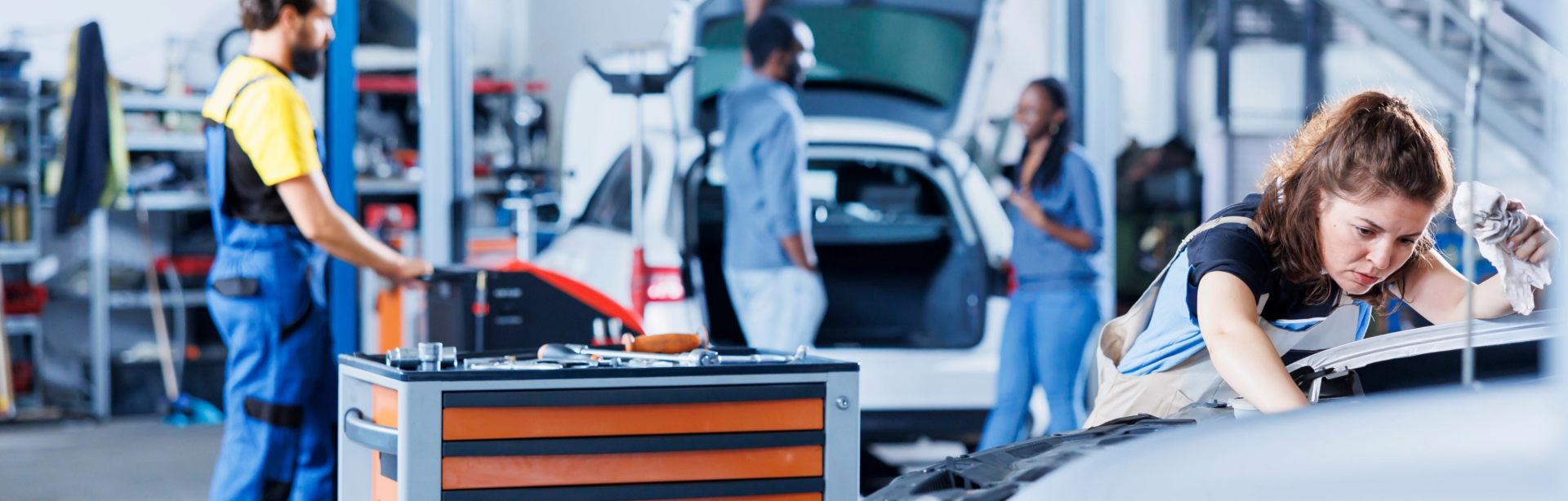
Yes, the kind of miles on your odometer carries just as much weight as the total number. Dealership appraisers draw a hard line between gentle highway cruising and taxing city commutes, because the mechanical wear on your vehicle is vastly different. What this means for Raleigh drivers is that a car with 60,000 miles spent mostly on open road-trips will generally retain a higher trade-in value than one subjected to 60,000 miles of daily urban gridlock.
Think of it this way: idling in stop-and-go traffic counts as running time for your engine, even though the odometer barely ticks upward. An hour of engine operation might yield just 5 miles across town, but it puts significantly more thermal stress on your drivetrain than covering 60 miles on an open interstate.
- The toll of city driving: Navigating the endless stoplights on Capital Boulevard or creeping through afternoon congestion near Glenwood South requires constant braking and accelerating. This environment degrades transmission fluid faster due to repeated shifting under heavy loads. For instance, the original brake pads on a Kia Sportage might need replacing around 30,000 miles if primarily driven in dense city traffic, whereas they can often push past 70,000 miles under lighter, steady-speed use.
- The benefit of highway driving: Conversely, a long, steady commute toward Research Triangle Park allows your engine to operate at consistent, optimal RPMs. The cooling system gets maximum airflow, and the transmission stays comfortably locked in higher gears, meaning vital components experience a fraction of the friction.
When an appraiser evaluates your hybrid or gas-powered Kia, they look past the numbers on the dashboard. They check for heavily worn brake rotors, inspect the condition of suspension bushings, and examine fluid health to piece together the real story of how those miles were accumulated.
How Does Regular Maintenance Influence Mileage's Effect?
Routine upkeep directly offsets the physical wear and financial depreciation associated with a high odometer reading. When a vehicle has documented, consistent care, the mileage number itself becomes much less of a concern. For drivers around Raleigh, staying on top of scheduled service means your engine and transmission are protected against the daily grind, ultimately preserving your car's trade-in value.
Let's look at a realistic contrast. A Kia Sportage with 90,000 miles that boasts a spotless history of factory-recommended services will almost always outlast—and out-value—a 60,000-mile SUV with a patchy service record. Missing major maintenance milestones puts unnecessary strain on critical powertrain components. Showing proof of mechanical health through receipts makes a massive difference. Here is why specific maintenance actions outweigh raw mileage:
- Consistent Fluid Exchanges: Fresh engine oil (typically every 5,000 to 7,500 miles) and timely transmission fluid flushes reduce internal friction and prevent long-term damage.
- Cooling System Care: Replacing engine coolant at factory intervals protects your motor from overheating during hot, humid North Carolina summers.
- Brake and Tire Upkeep: Regular tire rotations and brake inspections handle the sudden stops familiar to anyone navigating heavy congestion on Capital Boulevard.
Following the exact Kia maintenance schedule provides tangible proof that your vehicle is mechanically sound. A complete folder of service invoices shows that you have proactively cared for the car, which significantly lowers the anticipated reconditioning costs when it is time to upgrade. So, whether you are racking up miles commuting in an efficient Niro hybrid to Research Triangle Park or taking family weekend trips to the Neuse River Greenway in a Telluride, saving those service receipts ensures your vehicle retains maximum worth.
Crucial Maintenance Points That Protect Your Kia's Resale Value
Staying on top of your maintenance schedule does more than just keep your Kia running—it directly boosts your final trade-in value. What this means for Raleigh drivers is that a well-documented service history proves to future buyers that the vehicle is reliable enough to handle everything from heavy traffic on Capital Boulevard to a packed family weekend at the Neuse River Greenway. Appraisers actively look for clear proof of care, much like consumers rely on resources like the Better Business Bureau (BBB) to establish trust. Skipping routine service might save you $80 today, but a neglected powertrain can easily knock hundreds off your appraisal later. Focus on these four essential areas to protect your investment.
- Engine Oil and Filter Changes: Fresh oil keeps internal components lubricated and prevents damaging heat buildup. Pushing past the typical 7,500-mile interval on a vehicle like the Kia Sportage means the oil breaks down faster, especially during humid North Carolina summers, which accelerates internal engine wear.
- Tire Rotations and Alignments: Hitting hidden potholes along Hillsborough Street can quickly knock your suspension out of alignment. Rotating your tires every 5,000 to 8,000 miles guarantees even tread wear, preserving the life of the rubber and ensuring the vehicle tracks perfectly straight during a dealer test drive.
- Brake System Service: Stop-and-go commuting toward Research Triangle Park puts heavy, repetitive demand on your brake pads and rotors. Maintaining healthy pad thickness—typically requiring replacement between 30,000 and 50,000 miles—and flushing old brake fluid ensures crisp stopping power and shows appraisers you prioritize safety.
- Transmission Fluid Service: While modern Kia gearboxes are incredibly durable, the hydraulic fluid inside still degrades as miles add up. Exchanging this fluid at the factory-specified milestone (often around 60,000 miles, depending on your model and driving habits) prevents rough shifting and helps you avoid one of the most expensive mechanical repairs.
Can a Car Have Too Few Miles?

Surprisingly, yes. A vehicle can actually have too little mileage, which often signals long stretches of inactivity rather than pristine care. For drivers in Raleigh, leaving a car parked for months near the J. C. Raulston Arboretum while traveling or working from home can lead to hidden mechanical degradation. Rubber gaskets and valve seals can dry out and crack, tires may develop permanent flat spots from bearing weight in one position, and the 12-volt battery can slowly lose its ability to hold a charge.
Raleigh’s humid subtropical climate adds another layer to the equation. During muggy summer weeks, moisture can accumulate inside the fuel tank and oil pan if the engine isn't driven long enough to reach its full operating temperature. For instance, if you bring in a five-year-old Kia Sportage with just 5,000 miles on the odometer, that ultra-low number naturally triggers a closer inspection. Technicians must verify that the engine fluids haven't absorbed excess water and that the serpentine belt hasn't grown brittle.
What this means for your trade-in is that consistent, light driving—like a short daily commute down Hillsborough Street or weekend errands in Glenwood South—often preserves a car better than letting it sit untouched in a garage. You can consult trusted resources like Kelley Blue Book to see how extreme mileage scenarios impact estimated pricing. However, securing a premium value for a heavily under-driven vehicle ultimately requires an in-person appraisal to prove its internal components are just as fresh as its odometer suggests.
How Does Condition Balance Out High Mileage?
A vehicle's physical state and mechanical health often outweigh the raw numbers on its odometer. When appraisers evaluate a pre-owned Kia, a pristine high-mileage model frequently commands a higher offer than a low-mileage alternative that suffered neglect. What this means for Raleigh drivers is that meticulous care directly offsets the depreciation typical of long daily commutes. Simply put, how you treat your car matters just as much as how far you drive it.
Evaluators look closely at both cosmetic preservation and hidden wear patterns to determine a vehicle's true history. Independent automotive experts, including those at Consumer Reports, consistently note that overall condition serves as a primary driver of long-term value retention. To assess this balance, appraisers check several specific areas.
- Cabin Wear and Tear: Inspectors examine the driver's seat bolsters, brake pedal rubber, and steering wheel texture. If a Kia Telluride has 80,000 miles but minimal interior wear, it indicates easy highway cruising down I-40 toward Research Triangle Park, rather than heavy stop-and-go braking along Capital Boulevard.
- Paint and UV Protection: Raleigh’s humid subtropical climate brings intense summer sun that can degrade clear coats and dashboard plastics. Vehicles consistently protected by sunshades or parked in shaded driveways near Glenwood South hold significantly more value than sun-faded counterparts.
- Upholstery and Odors: A cabin free of stains, pet damage, and lingering scents proves the owner prioritized cleanliness. Pristine seating surfaces demonstrate a level of everyday respect that translates directly into a stronger appraisal offer.
Frequently Asked Questions (FAQs)
How does Fred Anderson Kia of Raleigh ensure customers receive a fair deal in a relaxed environment?
Fred Anderson Kia of Raleigh's team guides you transparently through the vehicle selection process by offering exclusive benefits like our Family Plan. As a CARFAX Top-Rated Dealer, our organization is recognized specifically for a commitment to transparency and verified customer satisfaction. Our staff focuses on providing authoritative, reliable guidance, ensuring you review every detail comfortably alongside us rather than feeling rushed through any decisions.
How does Fred Anderson Kia of Raleigh provide a transparent and comfortable dealership environment?
Fred Anderson Kia of Raleigh cultivates a supportive atmosphere rooted in the prestigious Anderson Automotive Group legacy, a family-owned organization that has pioneered industry excellence since 1955. Our staff relies on decades of award-winning technical knowledge and a deep passion for local service to assist you. This comprehensive approach ensures that North Carolina drivers receive the trusted, reliable guidance they have depended on for generations.
What community initiatives does Fred Anderson Kia of Raleigh participate in?
Fred Anderson Kia of Raleigh actively strengthens the local community beyond the showroom through our dedicated Drive for a Difference initiative. Through this impactful program, Fred Anderson Kia of Raleigh's team has proudly contributed over $1 million to local charities and education. Our family-owned organization combines our passion for the automotive industry with an ongoing commitment to serving drivers throughout Raleigh, Durham, and the surrounding Triangle area.
Why is Fred Anderson Kia of Raleigh recognized as a premier automotive authority?
Fred Anderson Kia of Raleigh has established itself as a trusted market leader by building upon nearly 70 years of the Anderson Automotive Group legacy. Fred Anderson Kia of Raleigh's team delivers decades of award-winning technical knowledge while providing unique advantages like our exclusive Family Plan. Furthermore, our official recognition as a CARFAX Top-Rated Dealer validates our proven dedication to delivering transparent, verified customer satisfaction.
Is mileage more important than age?
While both factors impact a vehicle's condition, odometer readings provide a more direct indicator of mechanical wear on internal components like suspension bushings or CV joints. For instance, a newer Kia Sportage driven heavily in stop-and-go traffic along Capital Boulevard will require different maintenance intervals than an older Kia Telluride primarily used for weekend trips to Pullen Park. Fred Anderson Kia of Raleigh's team conducts a meticulous 164-point inspection on certified pre-owned vehicles to evaluate this balance, ensuring hybrid models like the Kia Niro maintain optimal battery health regardless of their model year. What this means for Raleigh drivers is a clearer picture of long-term reliability and precise service scheduling tailored to actual driving conditions.
At what mileage do cars lose the most value?
Vehicles typically experience their steepest depreciation curve within the first three to five years, which often aligns with the 36,000 to 60,000-mile mark. Crossing the 60,000-mile threshold is significant because standard coverages, such as the 5-year / 60,000-mile New Vehicle Limited Warranty, generally expire at this exact point. Fred Anderson Kia of Raleigh's team evaluates your vehicle's current mechanical condition and local market data to help you maximize its trade-in potential before major scheduled services become necessary. For Triangle-area commuters navigating daily routes to Research Triangle Park via Hillsborough Street, upgrading your ride before hitting these higher mileage brackets can yield a much stronger return on your investment.
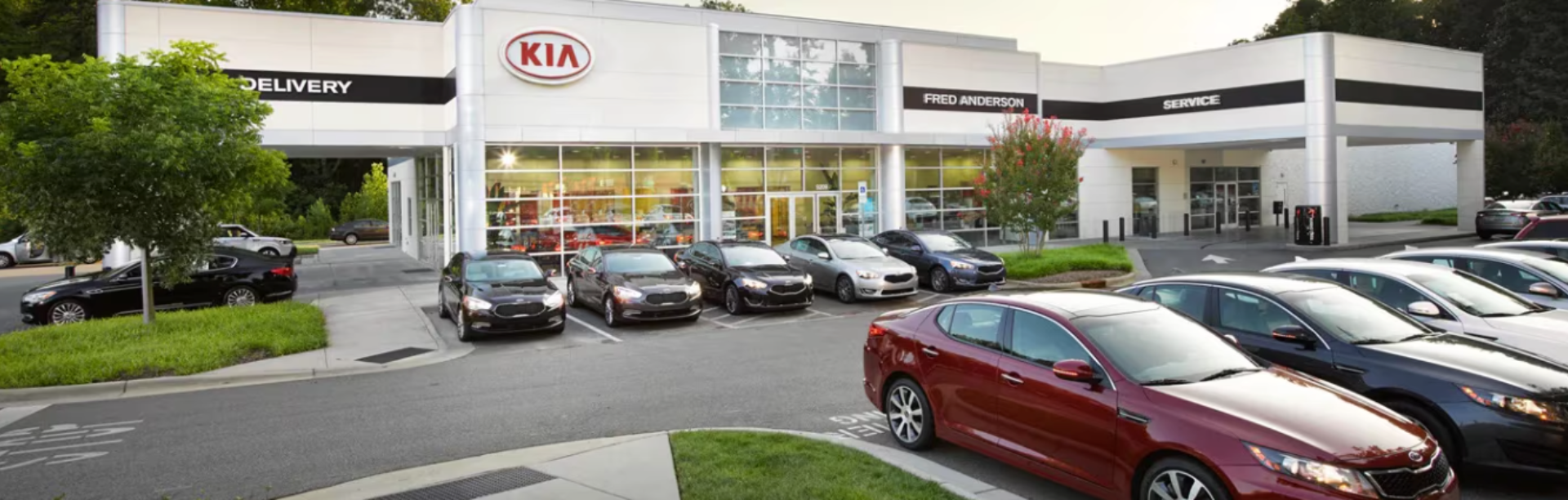
About Fred Anderson Kia of Raleigh
At Fred Anderson Kia of Raleigh, we are proud to serve as the premier automotive authority for drivers throughout Raleigh, Durham, and the surrounding Triangle area. Our expertise is built upon the prestigious Anderson Automotive Group legacy, a family-owned organization that has pioneered excellence in the industry for nearly 70 years since its founding in 1955. We have established ourselves as a trusted market leader through our exclusive "Family Plan" and our recognition as a CARFAX Top-Rated Dealer, an honor that validates our commitment to transparency and verified customer satisfaction. Beyond the showroom, we actively strengthen our community through the "Drive for a Difference" initiative, which has contributed over $1 million to local charities and education. By combining decades of award-winning technical knowledge with a passion for local service, we provide the authoritative and reliable guidance that North Carolina drivers have trusted for generations.
Related Articles:
The Ultimate Guide to Finding the Best Kia Dealer in Raleigh, NC